Table of contents
- Understanding regulatory landscapes with advanced hr analytics
- Data encryption and role-based access for sensitive information
- Automated compliance workflows and document management
- Continuous monitoring and real-time alerts for risk mitigation
- Scalable security measures for evolving workforce needs
In today's digital age, safeguarding employee data and meeting compliance standards have become non-negotiable priorities for organizations. As regulations tighten and workforce data grows more complex, businesses face mounting challenges in managing information securely and efficiently. Explore how HRIS software not only streamlines administrative tasks but also transforms the way companies protect sensitive data and adhere to compliance requirements.
Understanding regulatory landscapes with advanced hr analytics
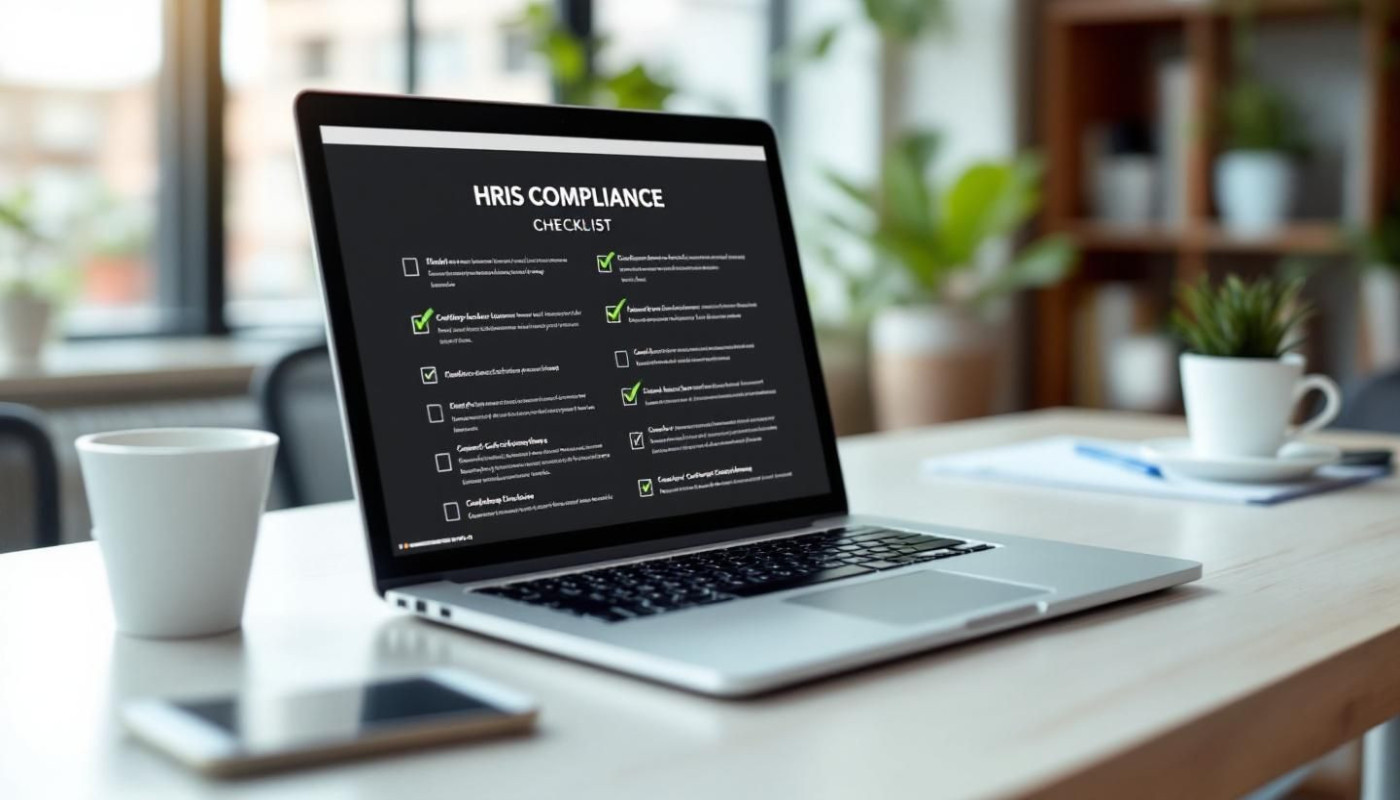
Navigating the evolving maze of employment laws and data protection standards can be daunting, but HRIS software offers organizations sophisticated tools to stay aligned with shifting requirements. Automated reporting features simplify the aggregation and submission of data to regulatory bodies, reducing human error and saving valuable time. Built-in compliance checklists help HR teams ensure that every step of the employee lifecycle—from hiring to separation—meets legal standards, while real-time audit trails provide transparent records of all actions taken within the system. These functionalities are invaluable during audits, where quick access to complete and tamper-proof documentation can streamline the entire process and provide peace of mind.
Integrated HR analytics further empower decision-makers by spotlighting potential compliance gaps before they evolve into liabilities. Advanced reporting dashboards can track key indicators, such as overtime violations or incomplete employee documentation, and even predict compliance risks based on historic trends. With major regulations like GDPR and HIPAA setting strict data management expectations, the technical infrastructure of HRIS solutions is designed to support robust security controls and privacy safeguards. Role-based access, encrypted databases, and automatic retention schedules ensure that sensitive employee data is only accessible to authorized personnel and retained in accordance with legal mandates. In this way, HRIS platforms do not just support compliance—they embed it into the fabric of daily HR operations, giving organizations the agility to adapt as regulatory landscapes continue to shift.
Data encryption and role-based access for sensitive information
Advanced security measures embedded within HRIS solutions are designed to safeguard confidential business and employee data through comprehensive approaches including end-to-end encryption and finely tuned access restrictions. These encryption protocols transform sensitive data, such as payroll records, performance evaluations, and PII, into unreadable formats during storage and transmission, protecting them from interception or unauthorized retrieval. Role-based access controls further fortify defenses by ensuring that only employees with explicit clearance can interact with high-sensitivity files, minimizing the risk of accidental exposure or deliberate tampering. The combination of multi-factor authentication, which requires users to verify their identity using two or more independent credentials, and data masking, which obscures certain data elements, delivers an effective shield against both external cyber threats and internal misuse.
Underpinning these defenses, technical mechanisms such as audit trails and real-time monitoring detect and respond to suspicious activity, providing organizations with an early warning system to potential breaches or policy violations. By integrating these robust protocols, HRIS platforms not only facilitate regulatory compliance but also instill a culture of accountability and vigilance among staff. Notably, My Intranet HRIS exemplifies these security standards while supporting organizations with intuitive modules for leave management, expense workflows, and accurate time tracking, all guarded by sophisticated layers of authorization and encryption to keep sensitive workforce information secure.
Automated compliance workflows and document management
HRIS platforms transform compliance and document management by automating processes across the entire employee lifecycle, from onboarding to termination. When a new hire joins, digital onboarding workflows ensure that required forms, such as tax documents and confidentiality agreements, are systematically sent, signed, and stored without manual intervention. This structured approach continues throughout an employee’s tenure, covering everything from annual policy acknowledgments to exit documentation at departure. With these tools, every step is tracked, ensuring no documentation is missed and compliance requirements are continuously met.
Digital signature capabilities within HRIS systems streamline the approval process, making it easy for employees and managers to review and sign documents securely, even remotely. Centralized distribution of policies ensures the most current versions are accessible to all staff, reducing confusion and version control issues. Automated notifications alert both employees and managers ahead of certification or license expiry dates, minimizing the risk of lapsed credentials that could lead to regulatory violations. By leveraging these features, companies foster a proactive compliance culture and can readily demonstrate that proper governance has been observed during audits.
Automated workflows significantly reduce the chance of human error by eliminating manual data entry and document tracking, both of which are common sources of compliance failures. Record-keeping becomes more reliable, as documents are time-stamped, securely stored, and easily retrievable for inspections or internal reviews. This shift not only saves HR professionals countless hours otherwise spent on repetitive tasks but also supports consistent adherence to industry regulations. The result is a more resilient compliance framework that allows HR teams to shift focus toward strategic initiatives, all while upholding stringent documentation standards.
Continuous monitoring and real-time alerts for risk mitigation
Continuous monitoring is a foundational capability of modern HRIS software, enabling businesses to detect potential compliance violations and data security incidents as they arise. This ongoing surveillance covers a broad range of activities, such as user access patterns, changes to sensitive employee data, and adherence to data retention policies. By constantly tracking system activity, organizations can identify irregularities—for example, unauthorized attempts to view payroll records or repeated failed logins—before they escalate into significant breaches or regulatory infractions.
Real-time alert systems work in tandem with monitoring features to provide immediate notifications when suspicious activities or policy deviations occur. For instance, if an employee's credentials have expired and an access attempt is made, or required compliance documentation is missing from a personnel file, the system automatically flags the incident. These alerts are typically delivered to administrators or compliance officers, allowing them to investigate and address issues promptly. As a result, businesses are less likely to overlook critical compliance lapses or data vulnerabilities that could otherwise remain undetected for long periods.
Actionable dashboards are another powerful asset within HRIS platforms, consolidating data from across the organization into visual displays that highlight risk factors and compliance status in real time. Through customizable widgets and metrics, users can track trends such as the frequency of access violations, outstanding policy acknowledgments, or gaps in employee training records. This bird’s-eye view supports quick decision-making and makes it feasible to prioritize response efforts based on severity or business impact, rather than sifting through fragmented logs or static reports.
Configurable alerts further enhance risk mitigation by allowing businesses to tailor notification triggers to their unique regulatory landscape and organizational structure. Whether the focus is on GDPR, HIPAA, or industry-specific mandates, administrators can define thresholds and escalation protocols that ensure no critical event is overlooked. This level of flexibility fosters a proactive culture where everyone—from HR teams to IT security—remains vigilant and responsive, strengthening both compliance outcomes and the overall data security posture of the organization.
Scalable security measures for evolving workforce needs
As businesses expand—whether through organic growth, mergers, or acquisitions—their workforce structures and compliance obligations can shift dramatically. HRIS solutions are designed to address these changing needs by providing security frameworks that scale effortlessly. For instance, cloud-based HRIS platforms enable organizations to quickly adjust their security protocols without the burdens of manual system upgrades or infrastructure overhauls. This flexibility ensures that as staff numbers increase or departments are restructured, sensitive personnel data remains protected against unauthorized access.
Adapting to regulatory updates is another key strength of modern HRIS systems. Regulatory landscapes can change rapidly, often requiring businesses to implement new data handling procedures or adhere to stricter privacy standards. With regular software updates delivered over the cloud, HRIS providers can push compliance-driven security enhancements directly to users. This ensures that organizations always have the latest protection mechanisms, from advanced encryption algorithms to new authentication methods, without the risk of falling behind regulatory requirements.
Customizable permission controls further support scalability by allowing businesses to tailor access rights as roles and responsibilities evolve. For example, when a company integrates a newly acquired team, administrators can quickly assign data access based on job functions, reducing the likelihood of data breaches caused by excessive or inappropriate permissions. This granularity not only protects sensitive information but also streamlines workflows by giving employees timely access to what they need without compromising overall security.
Adaptive security measures in HRIS platforms maintain the integrity of employee data and compliance standards, even as organizations navigate workforce changes. By supporting granular user management, leveraging cloud infrastructure, and embracing automated updates, these systems help organizations stay resilient. As a result, businesses can focus on innovation and growth, confident that their HR data security and compliance frameworks will adapt in tandem with their evolving operational landscape.
On the same subject

Understanding The Impact Of Accounting On SME Success

How A Medical Design Agency Revolutionizes Patient Care Through Innovation

How A Medical Design Agency Enhances Healthcare Innovation

How To Measure The ROI Of AI Chatbots In An E-commerce Environment

Investment diversification in emerging economies uncovering hidden potentials

The impact of remote work on urban economies emerging trends and business opportunities

Untapped markets how to identify and capitalize on them

Exploring The Benefits Of A VASP License For Global Crypto Businesses

Exploring The Benefits Of Enhanced Online Store Tools For Small Businesses

How Generative AI Is Revolutionizing Consumer Goods Industries
